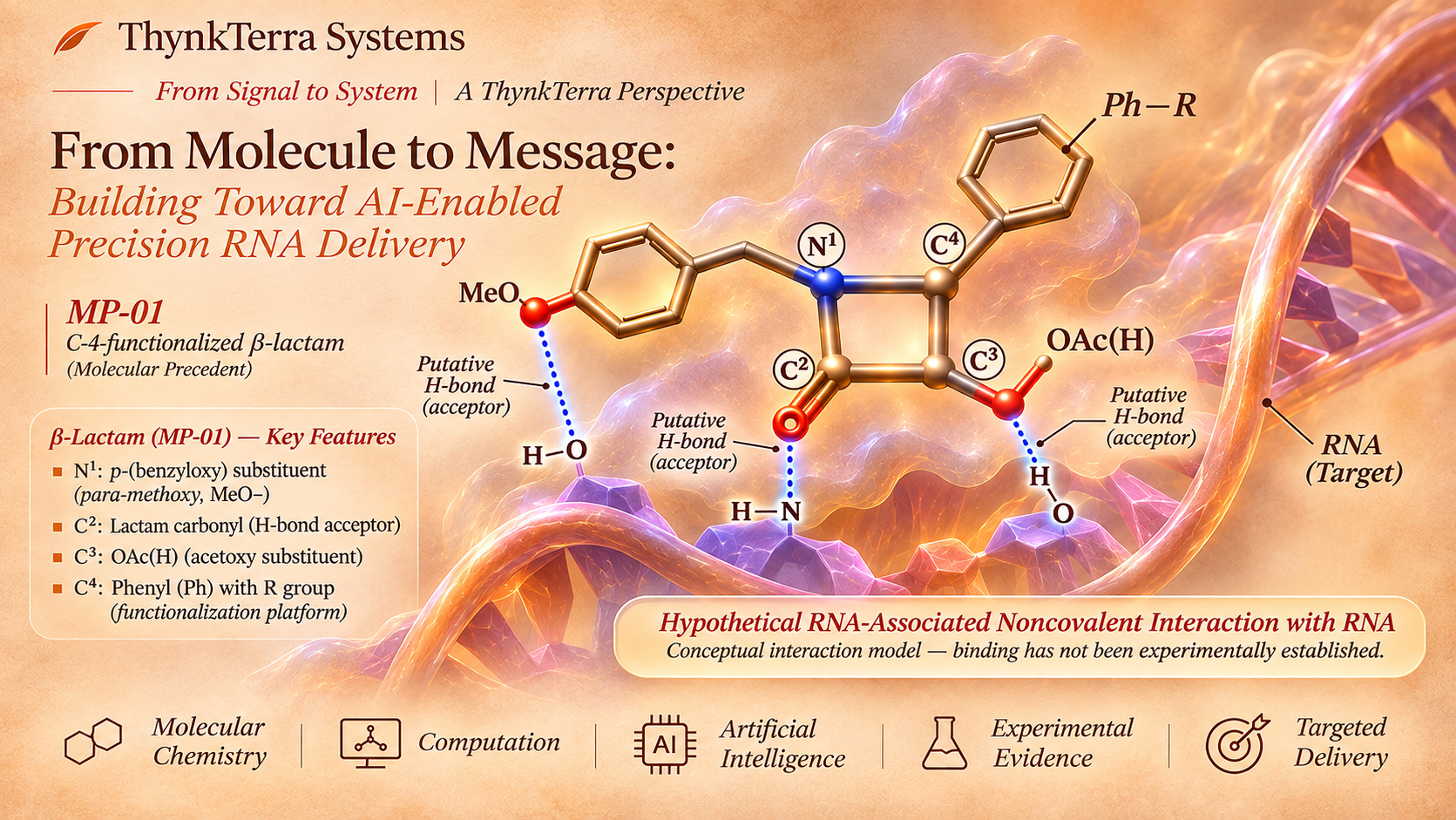
From Molecule to Message: Building Toward AI-Enabled Precision RNA Delivery
While studying neurology during my Step 1 preparation, I found myself thinking about the blood-brain barrier not only as an exam concept, but as a real scientific design challenge: how do we get the right therapeutic message to the right cells, and know that it actually works once it arrives? That reflection made a new study on brain-directed RNA delivery feel especially timely—and it points directly toward the kind of chemistry, computation, AI, and targeted-delivery questions ThynkTerra is beginning to build into its scientific identity.
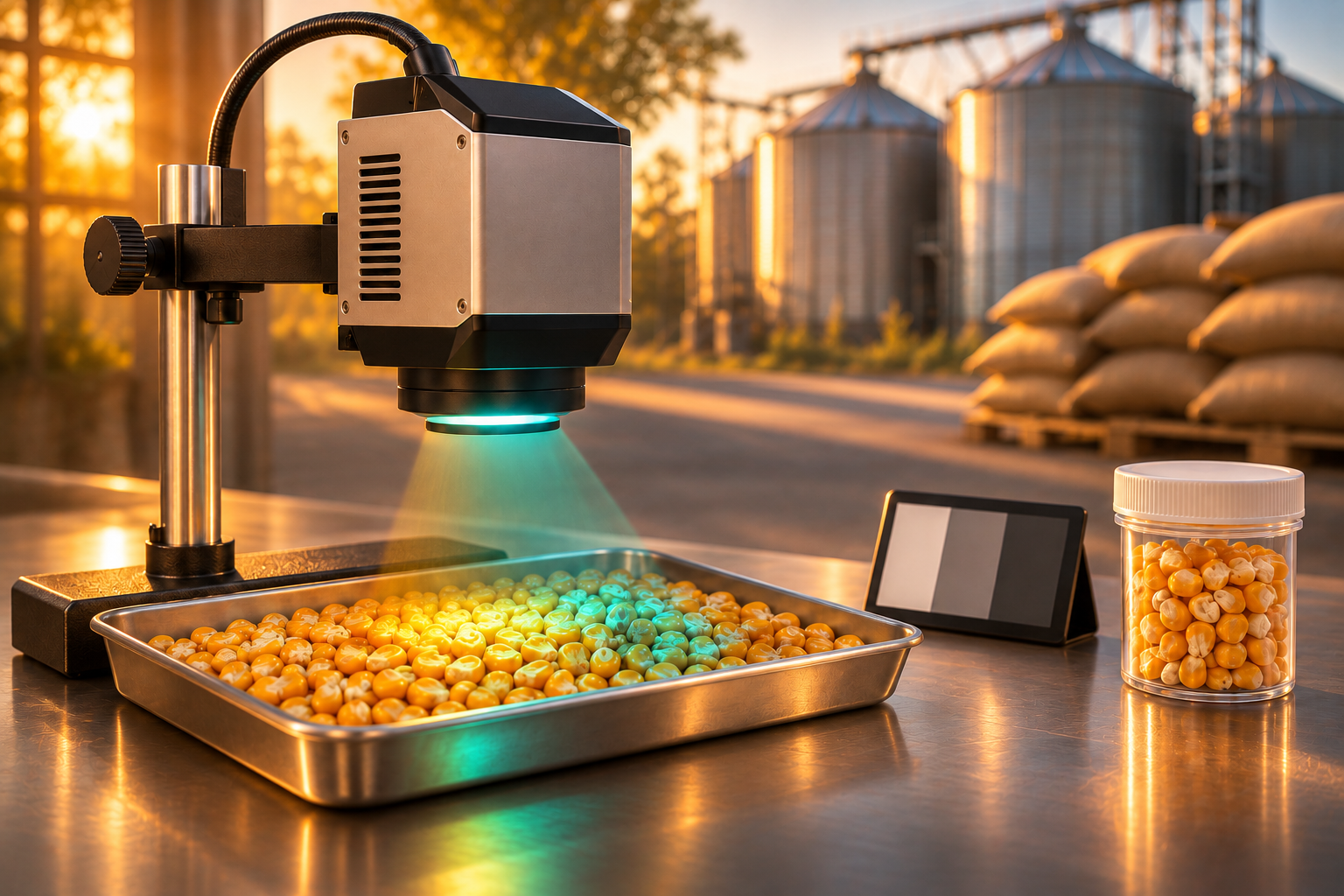
Beyond the Thanksgiving Table: How AI-Enabled Early Detection Can Protect Food, Public Health, and Resilience
Thanksgiving brings us together around food, gratitude, and care. Honoring what reaches the table also means protecting it long before it arrives—through safer storage, reliable transport, and earlier warning when something begins to go wrong. AI-enabled detection may help us see those risks sooner, but it works best when technology is grounded in sound infrastructure, scientific validation, and human judgment.
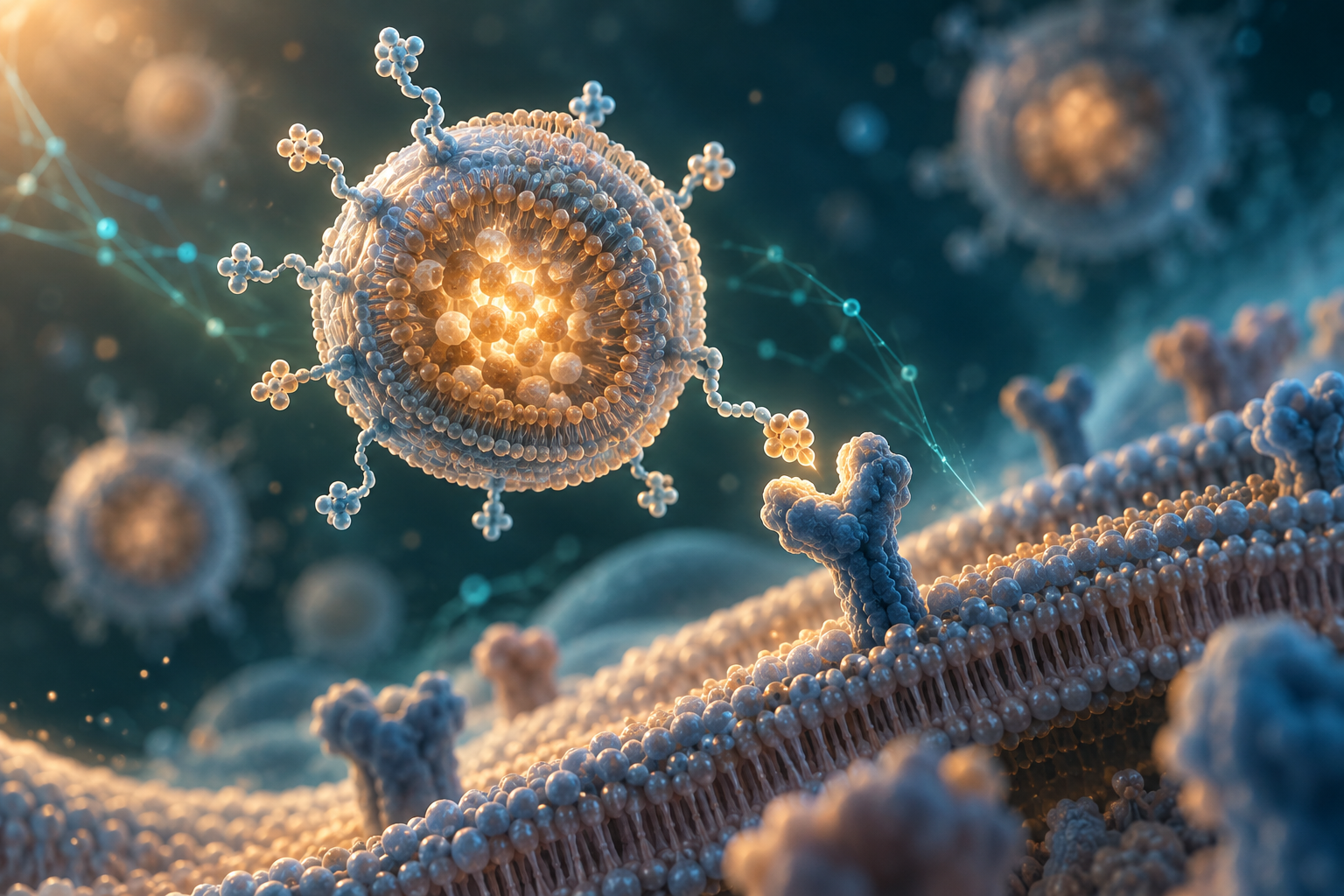
From Data to Delivery: Why AI-Guided Nanocarrier Design Still Needs Mechanistic Discipline
Artificial intelligence is becoming a serious tool for nanocarrier design and drug-delivery optimization. The opportunity is significant—but predictive performance is only as meaningful as the biological and experimental structure underneath the data.
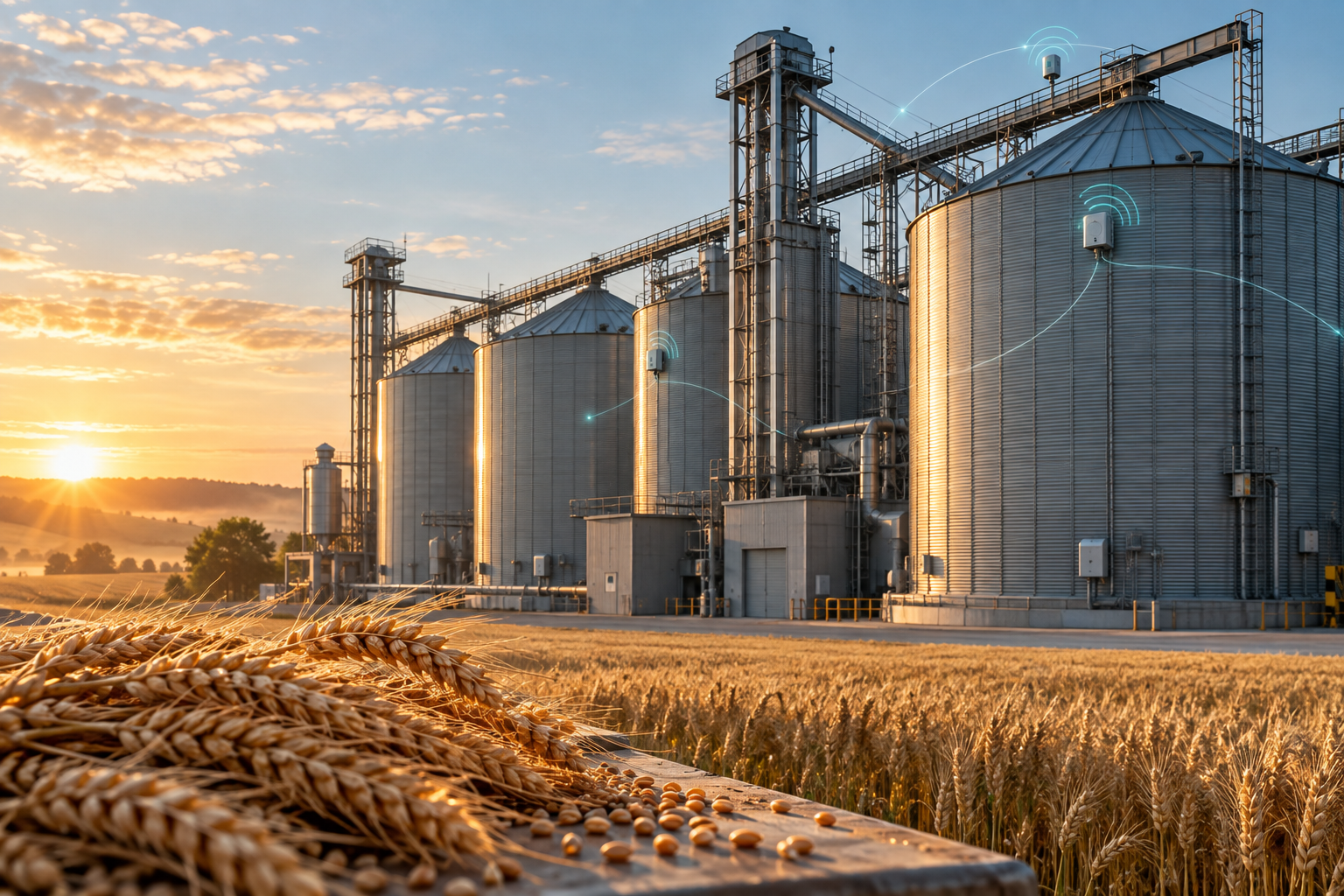
Why Smarter Food Storage Needs More Than Smarter Sensors
Sensors, artificial intelligence, and digital monitoring are rapidly expanding the technical possibilities for protecting food after harvest. But technology becomes useful only when it is designed around the conditions in which food is actually stored, moved, managed, and sold.